
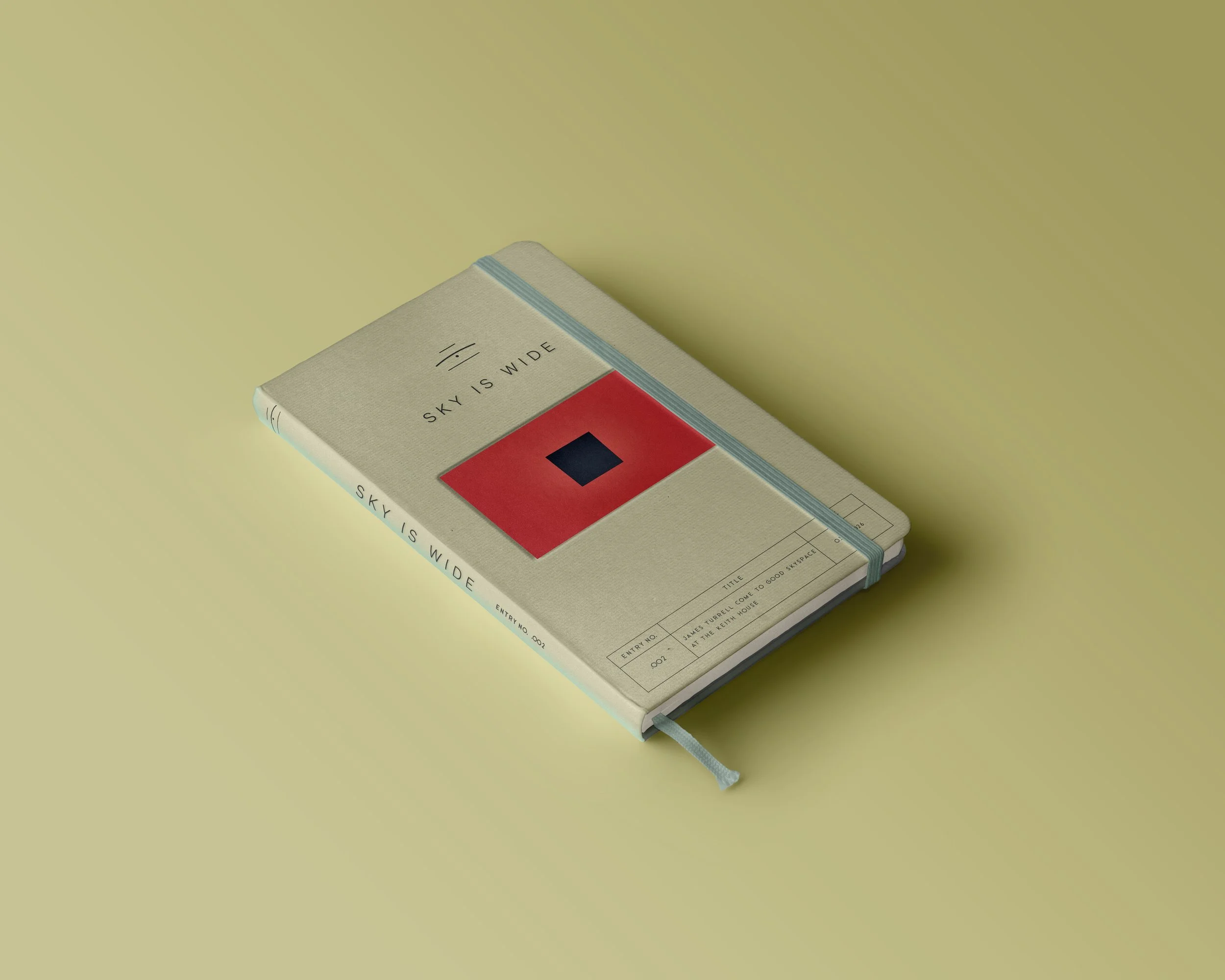
Holding Light: James Turrell at Keith House
There are moments where space slows you down before you even realize it.
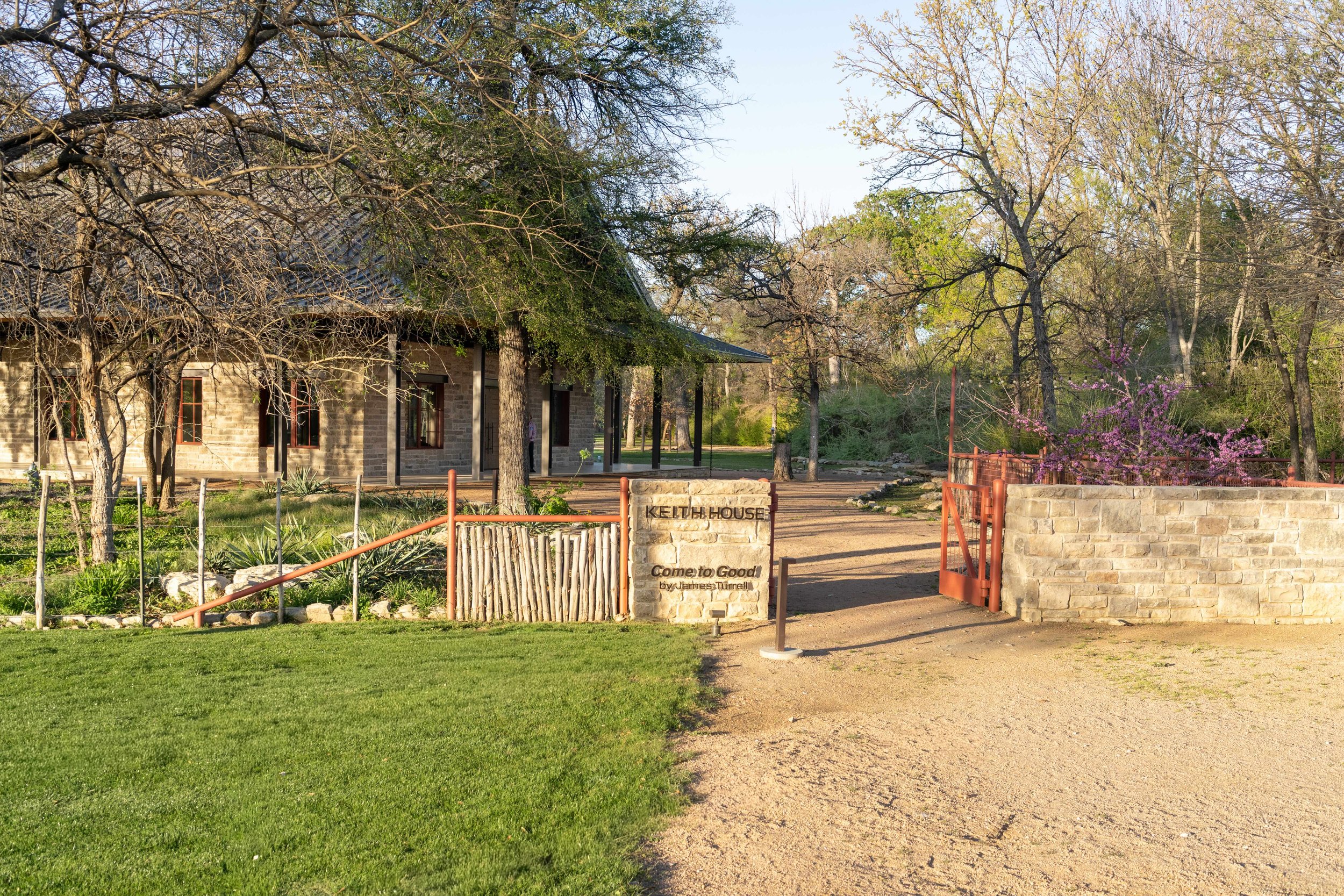
Walking into the Keith House in Fort Worth, it felt less like arriving at a destination and more like stepping into a threshold—somewhere between landscape and intention. The path in, framed by trees just beginning to shift with the season, set the tone. Quiet. Grounded. Observant.
We came for the 99th Skyspace by James Turrell—but also for the ritual of it. The act of being present long enough to see light change.We came for the 99th Skyspace by James Turrell—but also for the ritual of it. The act of being present long enough to see light change.
Before the Light Changes
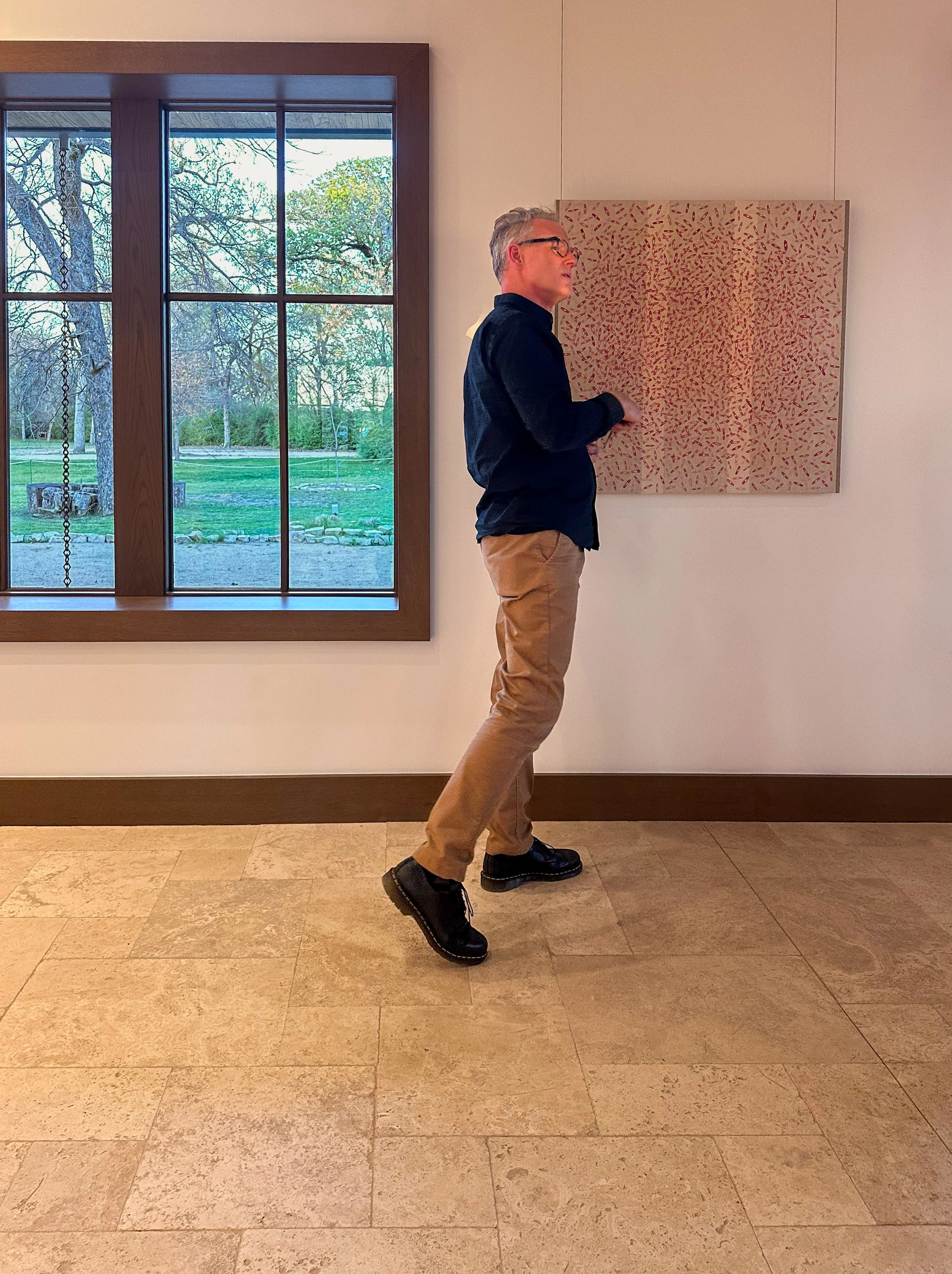
The evening began with an artist talk by Erik Skjolsvik—a grounding moment that reminded us this wasn’t just about spectacle. It was about perception.
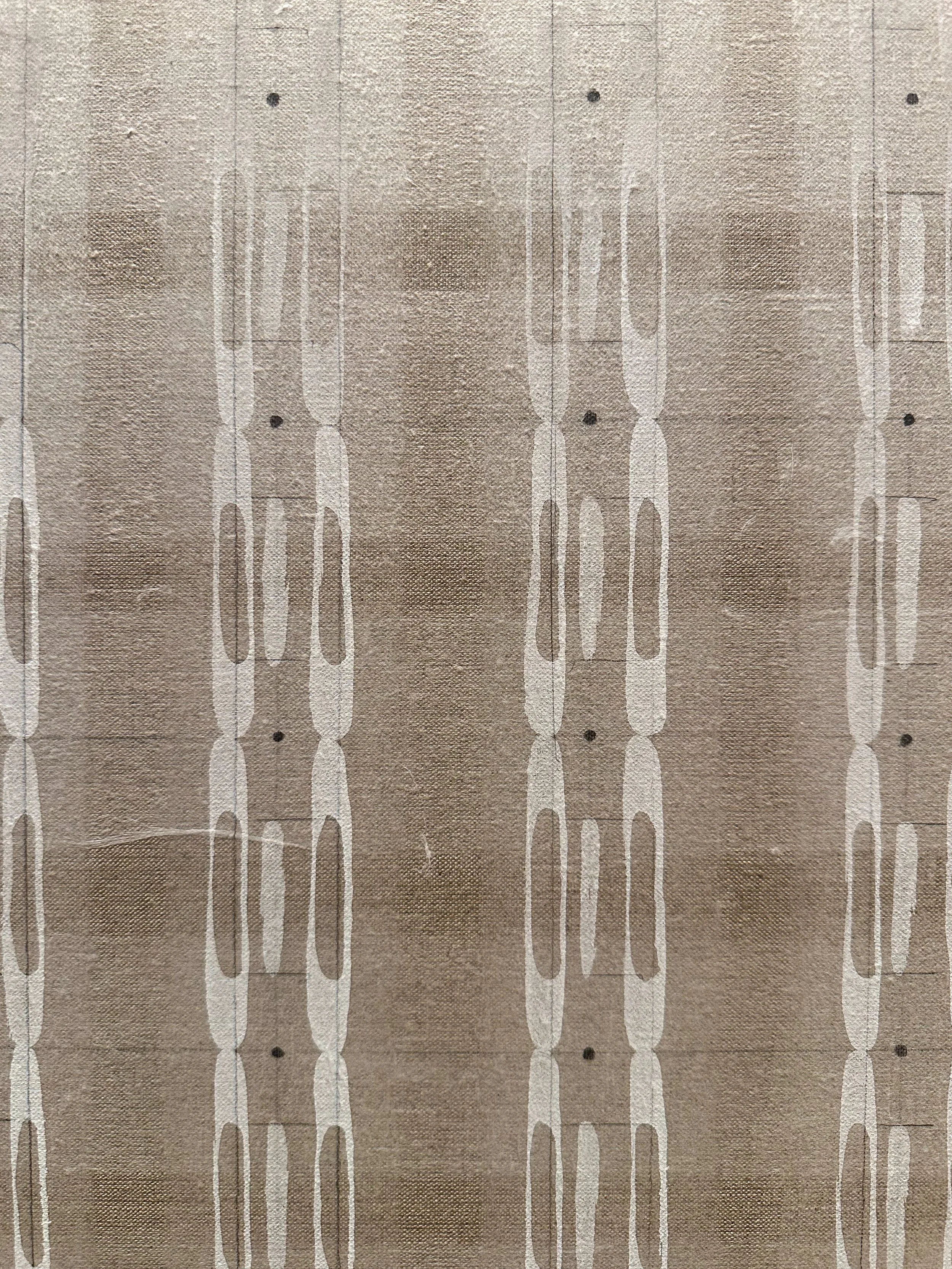
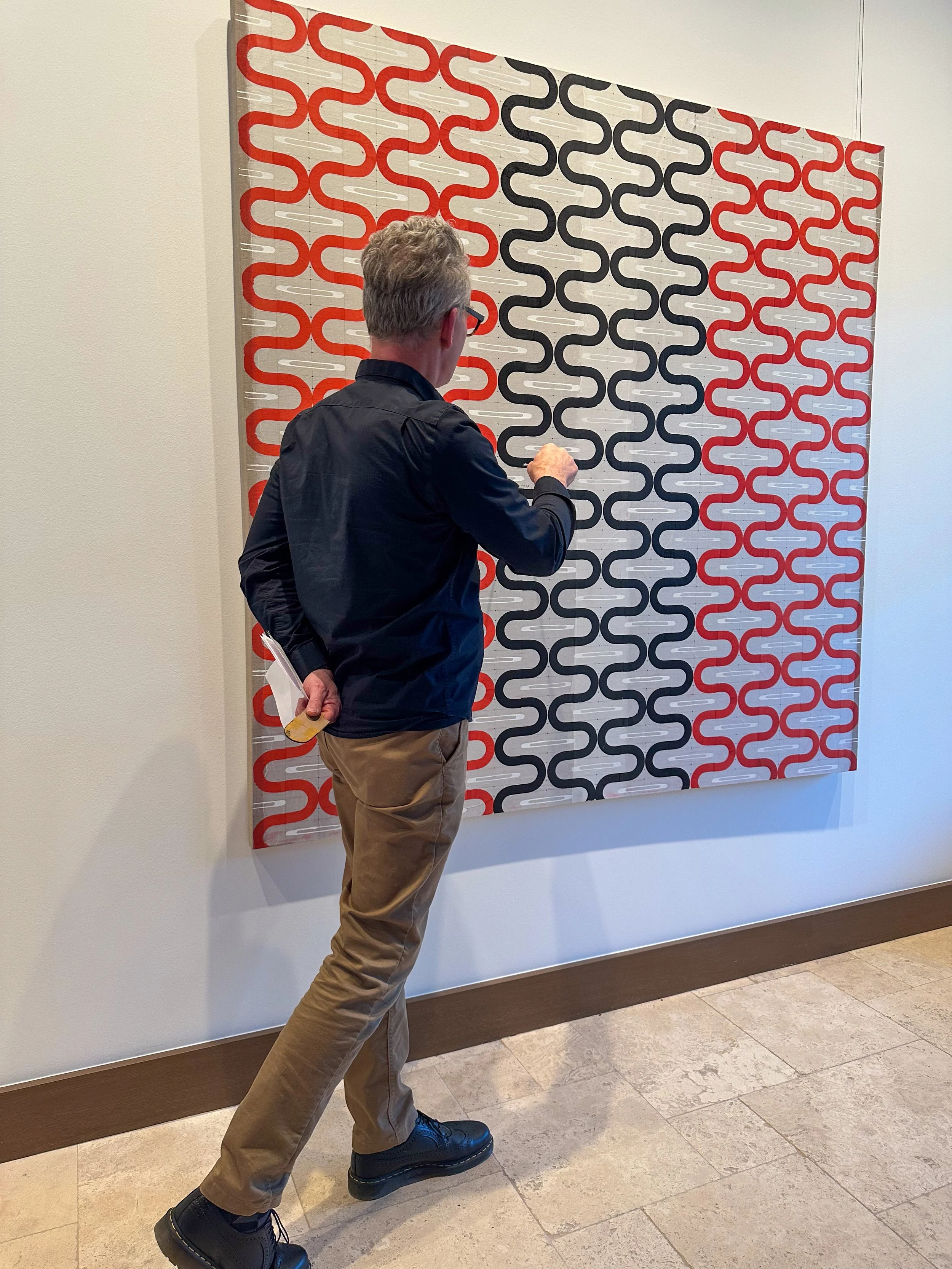
Then we moved into the skyspace.
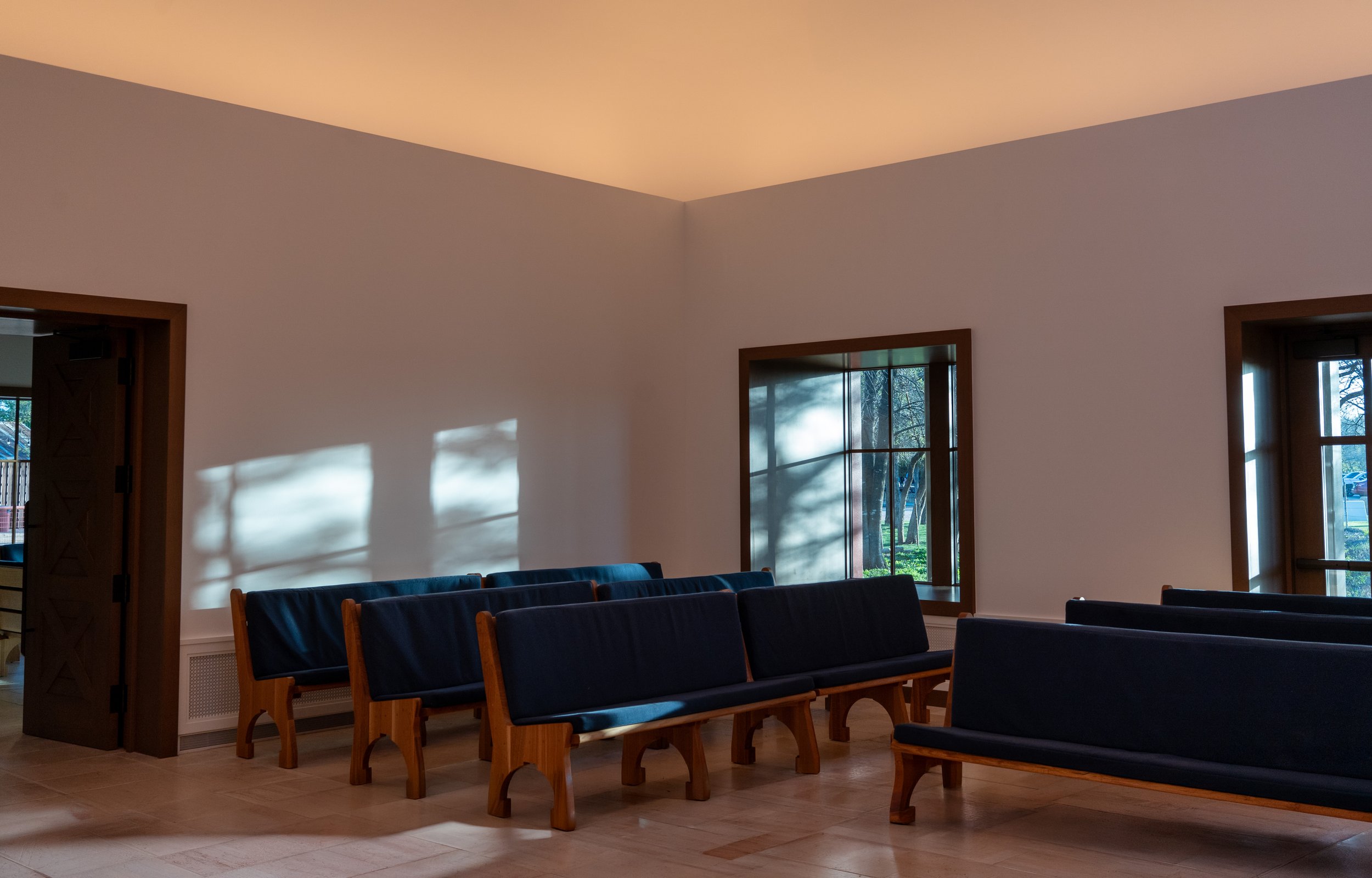
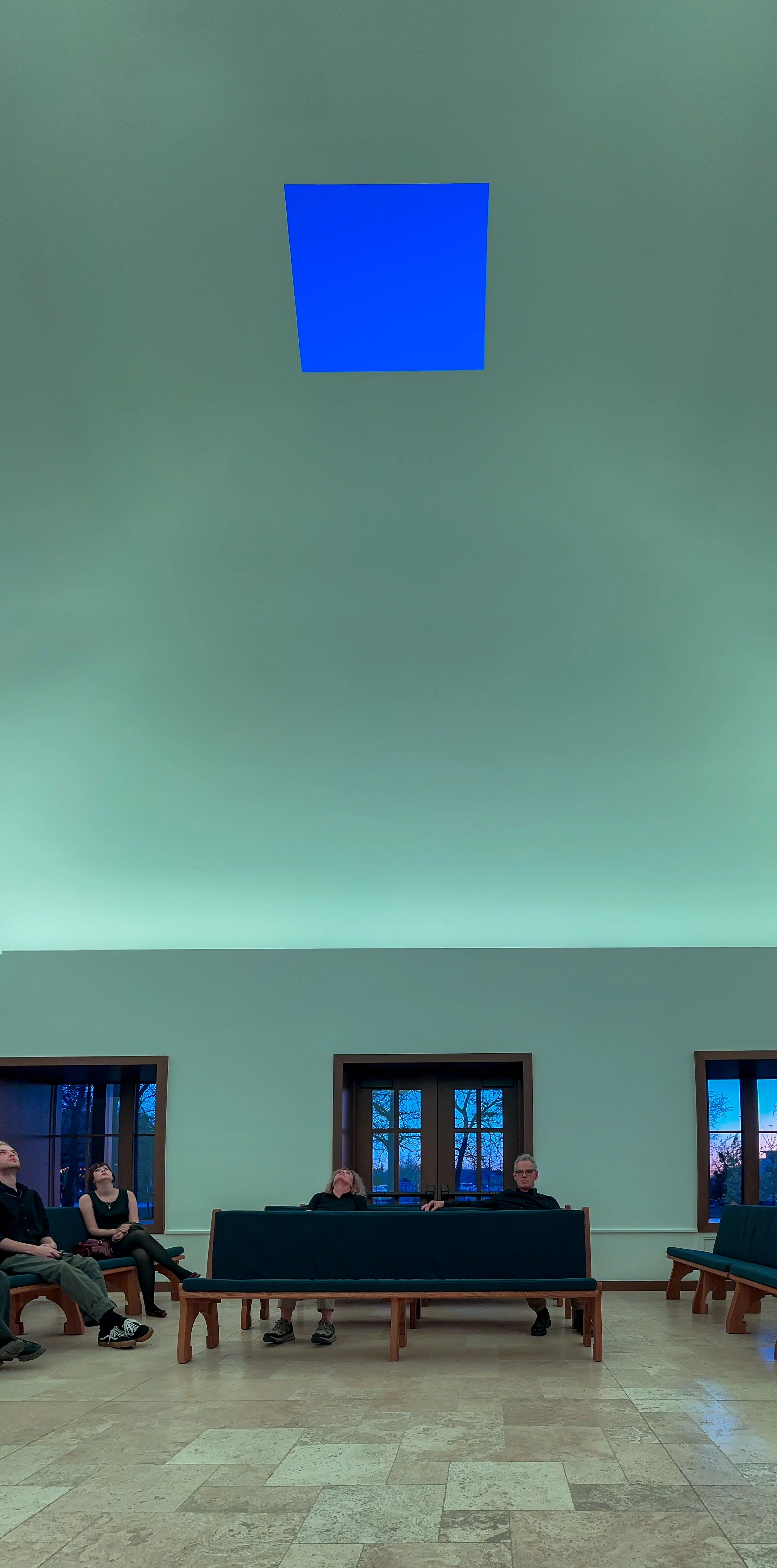
The room is simple—almost restrained. Bench seating wraps the perimeter. A square aperture opens to the sky above. Nothing else competes.
And then, slowly, the room begins to shift.
The Aperture
Then the aperture opens. And everything shifts again.
What looked like a flat plane becomes infinite depth. The sky—framed so precisely—feels almost constructed. Like a surface you could touch rather than a distance you could measure.
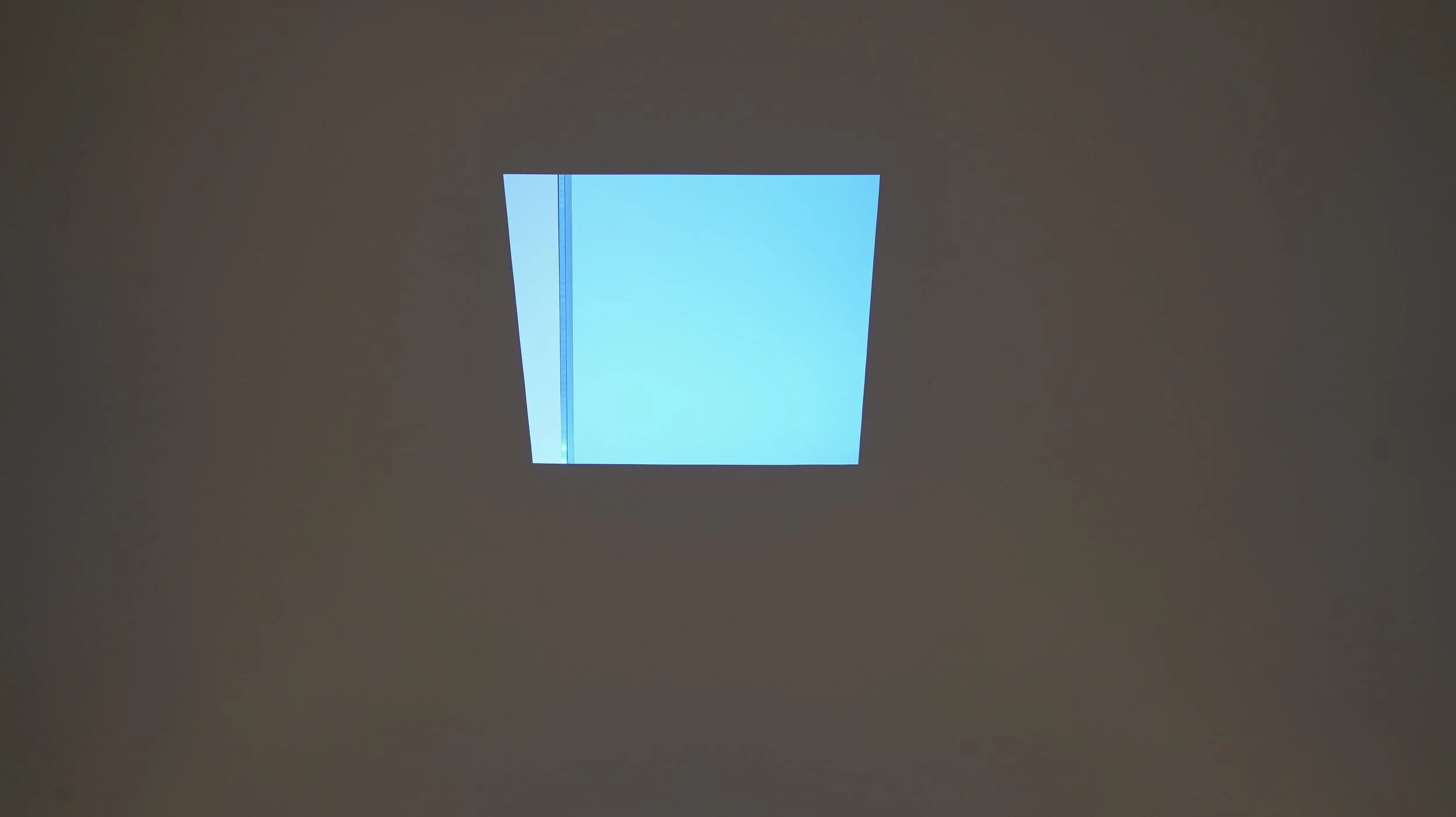
As the sun lowers, the natural light and programmed light begin to interact.
This is where Turrell’s work lives—in that tension.
Not in the color itself, but in the way it rewires your perception of it.
The sky becomes more saturated than you expect. Or less. It pulls forward. Then recedes. It feels closer than it should.
It feels designed.
Light—artificial at first—washes the walls in saturated color. A deep violet. Then something cooler. Then warmer. The transitions are subtle but undeniable. The color doesn’t sit on the surfaces—it seems to dissolve them.
Edges blur. Corners soften. Depth becomes ambiguous.
You start to question what is real and what is perceived.
Material, Atmosphere, Illusion
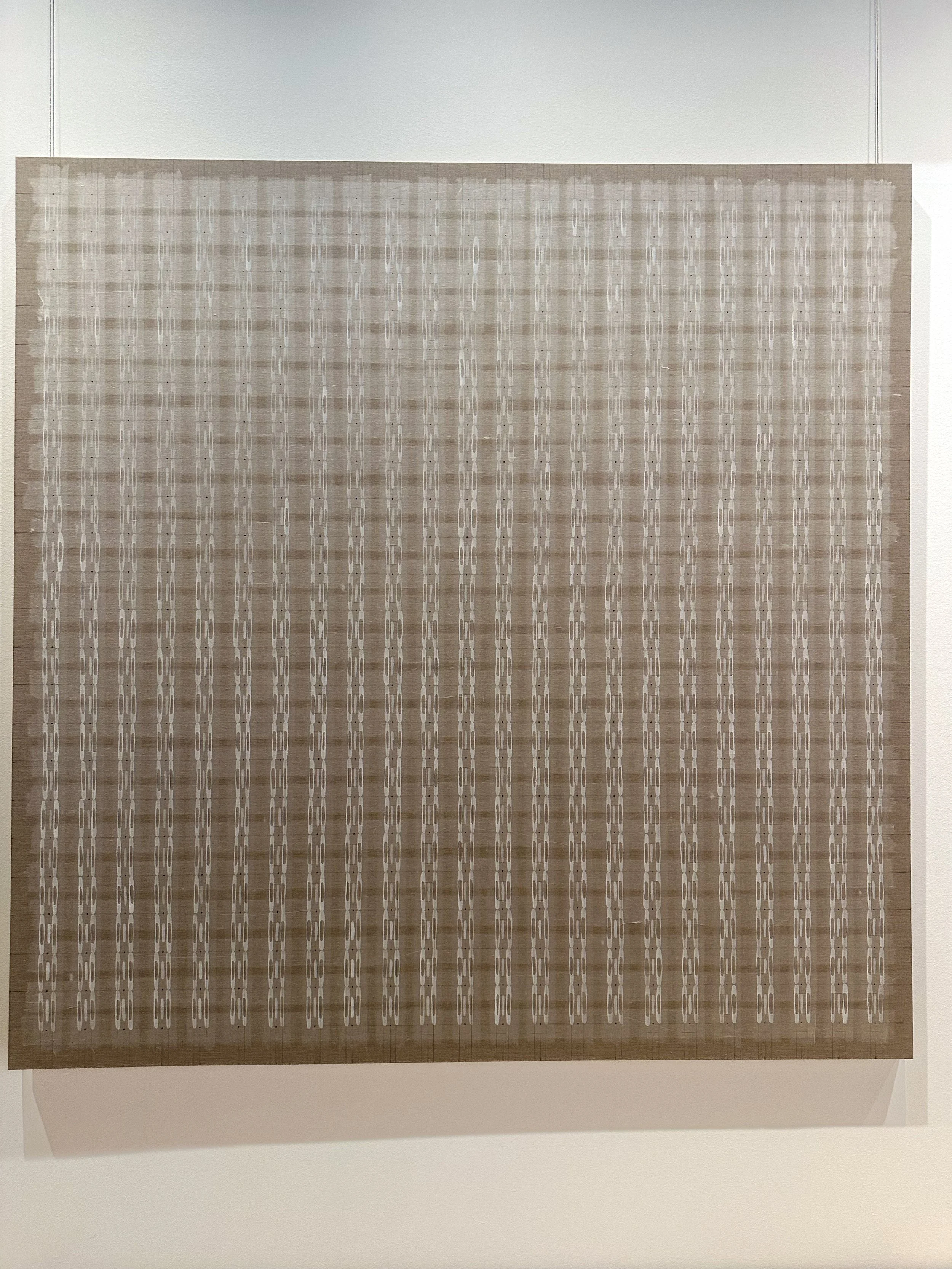
Earlier, we were looking at physical works—paint, pattern, texture. The hand of the artist was visible. Measurable.
Inside the Skyspace, that disappears.
There is no object to look at. No surface to analyze. No material to hold onto.
Only atmosphere.
This is what makes Turrell’s work so powerful—it removes the need to interpret and replaces it with the need to notice.
Light becomes the medium. Perception becomes the subject.
And time becomes part of the composition.
Why This Matters (for Us)
As Sky is Wide, this is exactly the kind of experience we’re drawn to.
Not just something you see—but something you feel your way through.
It’s a reminder that:
Experience can be quiet and still transformative
Design doesn’t always need complexity to be powerful
Light—natural or artificial—is one of the most emotional materials we have
And maybe most importantly—
The best experiences don’t tell you what to think.
They create the conditions for you to discover it yourself.
Where We’ve Seen the Sky Before
This wasn’t our first Skyspace—and that familiarity made this one even more meaningful.
We’ve experienced Turrell’s work at:
Tending (Blue) at Dallas Museum of Art - Dallas, Texas
Twilight Epiphany at Rice University - Houston, Texas
Dividing the Light at Pomona College - Claremont, California
The Color Inside at University of Texas at Austin - Austin, Texas
Breathing Light at Los Angeles Museum of Art - Los Angeles, California
Cross Cut at Barbara Gladstone Gallery - New York City, New York
Each one is different. Each one reframes the same sky.
